
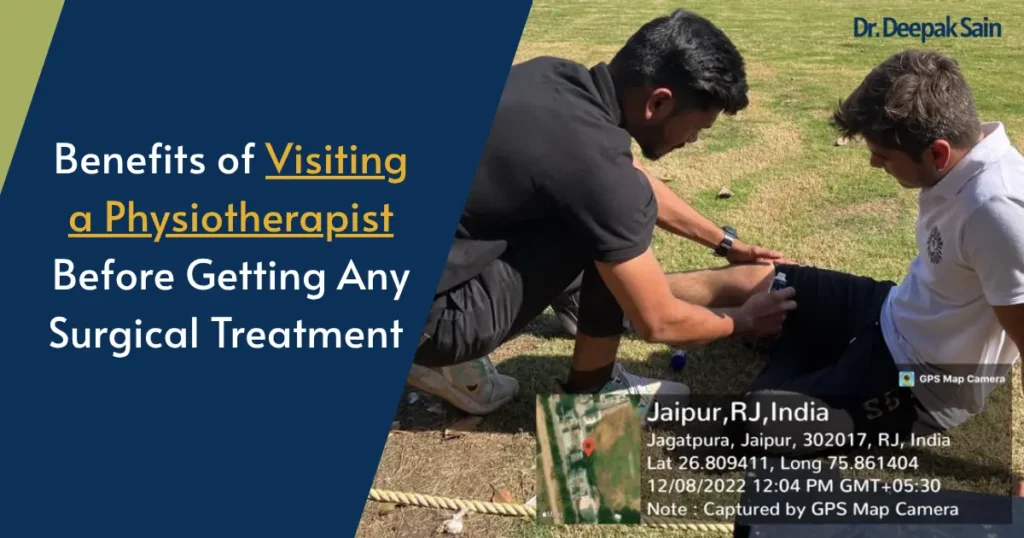
Top Benefits of Visiting a Physiotherapist Before Getting Any Surgical Treatment (Study Included)

Physiotherapy, also known as physical therapy, is a healthcare profession focused on helping individuals manage pain, improve movement, and enhance overall physical function and well-being.
Whether you’re dealing with chronic pain, recovering from an injury, or looking to improve your mobility, visiting a qualified physiotherapist can make a world of difference.
Physiotherapy isn’t just for those recovering from surgery or fractures—it’s a complete, science-backed approach to healing, strengthening, and preventing future pain or injury. Under the guidance of an experienced physiotherapist, you can achieve faster recovery, improved posture, and a better quality of life.
What Does a Physiotherapist Do?
Physiotherapists are experts in movement science, rehabilitation, and injury prevention. They utilize various techniques to help patients regain strength, increase flexibility, improve balance, and reduce pain.
Their services can include exercise therapy, manual therapy (like massage and joint mobilization), educational advice on posture, and specialized treatments such as acupuncture, hydrotherapy, or hot and cold therapy.
They aim to restore functional ability and movement for people of all ages, including infants, the elderly, and athletes, who may be impacted by disease, injury, health conditions, aging, or environmental factors.
Top Benefits of Visiting a Physiotherapist
Physiotherapy offers numerous advantages that can significantly improve a person’s quality of life. Let’s explore the top 10 proven benefits of visiting a physiotherapist.
Pain Relief
One of the primary benefits of physiotherapy is its ability to reduce and manage pain, whether it stems from a sports injury, chronic condition, or post-surgical recovery.
Physiotherapists use various techniques, such as massage, targeted exercises, stretching, electrical stimulation, and hot/cold therapy, to alleviate acute and chronic pain by addressing its root cause rather than just the symptoms.
This approach can offer a safe alternative to pain-relief medications.
Improved Movement and Mobility
Physiotherapy is crucial for individuals experiencing stiff joints, tight muscles, or a limited range of motion, which can make daily tasks challenging. Through tailored exercise plans, stretching, and joint mobilization, physiotherapists help restore flexibility, increase range of motion, and make movement easier and more comfortable.
This is particularly beneficial for those with conditions like arthritis or those recovering from injuries that impact movement.
Rehabilitation and Recovery
For those recovering from surgery, serious injuries, or even a prolonged illness, physiotherapy plays a vital role in rehabilitation.
Physiotherapists help patients rebuild strength, improve function, and restore range of motion, leading to a faster and more effective recovery.
They work with patients to strengthen weak muscles and ensure stability before and after surgical procedures like knee or hip replacements.
According to a 2022 study published in the Journal of Orthopaedic & Sports Physical Therapy (JOSPT), patients who underwent structured physiotherapy after orthopedic surgeries experienced up to 40% faster recovery and significantly improved joint function compared to those without guided therapy.
Injury Prevention and Enhanced Performance
Beyond recovery, physiotherapy helps prevent future injuries by identifying weaknesses, correcting poor movement patterns, and improving overall strength, stability, and coordination.
This is highly beneficial for athletes looking to enhance performance, prepare for seasons, and prevent recurring injuries. Physiotherapists also educate patients on correct posture and safe handling techniques, reducing the risk of injuries in daily life.
Improved Balance and Reduced Fall Risk
Physiotherapy can significantly enhance coordination and stability, which is especially important for older adults and individuals with neurological conditions. By improving balance, physiotherapists help reduce the risk of falls, promoting greater confidence and independence.
Supports Cardiac and Pulmonary Health
Did you know physiotherapy also benefits your heart and lungs?
Cardiac and pulmonary physiotherapy (chest physiotherapy) includes breathing exercises, endurance training, and posture correction, which help patients recovering from heart surgery or chronic respiratory conditions breathe easier and feel stronger.
Corrects Posture and Ergonomic Issues
Many people – especially those working long hours at desks or glued to screens suffer from poor posture, forward head posture, and spinal misalignment. Over time, slouching and bad ergonomics can lead to chronic neck, shoulder, and back pain.
A recent AIIMS–ICMR study, covered by The Times of India, has highlighted how our daily “slouch–sit–scroll” habits are silently damaging our posture and overall health.
The research was conducted between Oct 2023 to 2025 on teenagers aged 11 to 17 years, who typically spend 6–8 hours a day using smartphones, laptops, or other gadgets. The purpose of the study was to understand how this screen-heavy lifestyle is affecting posture, muscle strength, and spinal alignment.
The findings were eye-opening. Researchers discovered that more than 70% of participants showed early signs of forward head posture and rounded shoulders — both classic indicators of poor sitting posture. Many of these teens also reported chronic neck and back pain, muscle tightness, and reduced flexibility.
Over time, these postural issues can lead to more serious complications such as spinal curvature changes, reduced lung capacity, and persistent musculoskeletal pain if left uncorrected.
This study serves as a wake-up call for not just teenagers, but everyone who spends long hours sitting or glued to screens. It highlights how crucial it is to maintain good posture and engage in regular physical activity or physiotherapy to prevent long-term damage.
“Posture correction isn’t just about sitting straight — it’s about retraining your muscles and nervous system to move efficiently. During the practice of physiotherapy, I see many young patients who come with neck and shoulder pain caused by long screen hours. With guided physiotherapy and ergonomic awareness, these issues can be corrected naturally before they turn chronic.”
— Dr. Deepak Sain (PT) BPT, MPT
Final Thoughts: Take the First Step Towards a Pain-Free Life
Physiotherapy is more than just a treatment — it’s a path to better health, mobility, and overall well-being. From relieving chronic pain to correcting posture, improving flexibility, and speeding up recovery after injury, the benefits are undeniable.
For anyone in Jaipur struggling with back pain, joint stiffness, sports injuries, or postural problems, visiting a qualified physiotherapist can make all the difference.
If you are looking for a trusted physiotherapist in Jaipur  Dr. Deepak Sain brings years of expertise, evidence-based treatments, and a patient-focused approach to every session. His clinic provides advanced care for orthopedic, neurological, and sports rehabilitation — ensuring that every patient recovers safely and effectively.